How to Read a Commercial Lease
By James Ortega
Washington Law
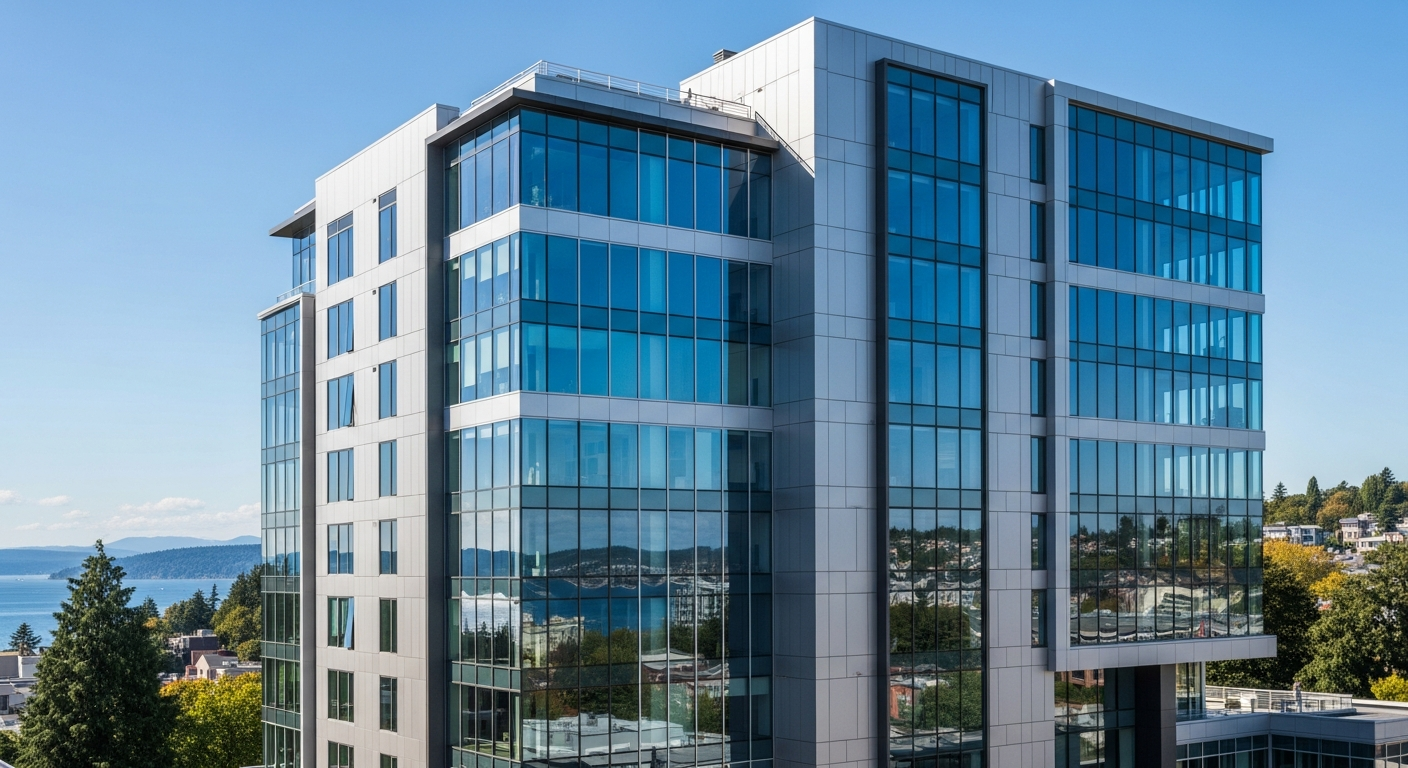
Red flags and critical clauses to watch for before signing a commercial lease.
Signing a commercial lease without legal review is one of the most common and costly mistakes I see business owners make. Commercial leases are not standard documents — they are negotiated, multi-year commitments that can bind you to tens of thousands of dollars in obligations even if your business closes. Here are the clauses that matter most and the red flags I look for before my clients sign.
Understand the Lease Type
Before you read a single clause, you need to understand what type of lease you're signing.
A gross lease means you pay one flat monthly rent and the landlord covers most operating expenses. A net lease means you pay base rent plus some or all of the property's operating costs — taxes, insurance, maintenance. In a triple net (NNN) lease, you pay base rent plus taxes, insurance, and all maintenance costs. NNN leases are extremely common in commercial real estate and can make your actual monthly cost significantly higher than the headline rent figure.
Always calculate the fully loaded cost before negotiating base rent.
The Personal Guarantee
This is the clause that can follow you for years after your business closes. A personal guarantee makes you personally liable for the full remaining lease term if your business entity defaults. That means if your LLC closes its doors after year two of a five-year lease, you personally owe three more years of rent.
I negotiate hard on three fronts: eliminating the personal guarantee entirely, replacing it with a "good guy" guarantee (liability ends when you vacate and give proper notice), or capping the guarantee at six to twelve months of rent.
Permitted Use and Exclusivity
The "permitted use" clause defines what you can do in the space. Make sure it's written broadly enough to cover everything your business might do — now and in the next five years. A clause that limits you to "retail sale of clothing" can prevent you from hosting events or expanding into accessories.
An exclusivity clause prevents the landlord from leasing to a direct competitor. If you're opening a coffee shop in a strip mall, you want language that prohibits the landlord from leasing to another coffee shop or cafe in the same development. Don't assume the landlord will protect you — get it in writing.
Rent Escalation Clauses
Most commercial leases include annual rent escalations. Common structures include: fixed percentage increases (3% per year is typical), CPI-indexed escalations (can be unpredictable), or stepped increases specified at the outset. Any of these is manageable — just make sure you know exactly what you're agreeing to and model out your total cost over the full lease term.
Landlord's Right to Terminate and Relocate
Some leases give landlords the right to terminate your lease or relocate you to a different space with limited notice. This is unacceptable for most businesses. If the landlord insists on this right, push for significant constraints: minimum notice periods (12–18 months), compensation for relocation costs, and approval rights over the alternative space.
Tenant Improvement Allowance
If the space requires renovation to suit your business, negotiate a tenant improvement (TI) allowance — an amount the landlord will pay toward build-out costs. The amount, disbursement timing, and what improvements qualify are all negotiable. Make sure the scope of work is detailed in an attached exhibit, not vaguely described in the lease body.
Assignment and Subletting
If you want to sell your business, assign the lease to the buyer. If your business struggles, you may want to sublease to reduce costs. Most leases require landlord consent — but good lease language requires that consent not be "unreasonably withheld." Without that language, a landlord can block a sale of your business.
CAM Reconciliation
In NNN leases, "CAM" (Common Area Maintenance) charges cover shared costs: parking lots, lobbies, landscaping, management fees. CAMs are estimated, then reconciled annually. I've seen businesses receive reconciliation bills in the tens of thousands of dollars they didn't budget for. Negotiate a cap on annual CAM increases, an audit right (your right to review the landlord's actual expense records), and exclusions for capital improvements.
If you're about to sign a commercial lease, call Washington Law first. We review commercial leases starting at a flat fee — it is almost always worth it. Contact James Ortega at (206) 555-1847.
Need guidance on this issue?
Contact our team to discuss how this affects your specific situation.
Schedule a Consultation